Experience Remission from Depression, with TMS.
TMS (transcranial magnetic stimulation) is designed to help people who suffer most from depression to start feeling better again.
4.8 Million Treatments Administered
83% of Patients See Improvement
62% of Patients See Full Remission
What is TMS?
Transcranial Magnetic Stimulation uses strong, magnetic pulses distributed through a coil to regulate the neural activity of brain structures associated with depression.
No Systemic Side Effects
While you may feel slight pressure on top of your head, most patients adapt to the sensation after just a couple of sessions.
Medication Free
Rest assured, you do not have to start a new medication regimen throughout TMS.
21 Day Difference
An analysis of 1,753 patients showed that the average patient achieved a sustained response after just 16 treatments.
Hear From Our Patients
Isabelle

"I not only feel much better, I was able to get to know the amazing staff at the office! I feel alive again. I am so glad I decided to give it a try. I am so glad finished all the sessions. It works!"
Esdras

"I've dealt with depression and anxiety for many years. Medications were not successfully managing my symptoms. TMS really helped to get my symptoms under control."
Nadia

"The staff are very committed to providing the best experience possible. They really go out of their way to make you feel important and respected. I have been getting treatment for 3 weeks now and I truly feel that it has changed my life. Thank you!!"
Real Stories
Highly Effective
About 83% of patients who complete a full course of TMS show a clinically meaningful response and about 62% experience a full remission, meaning their symptoms go away completely
Fits in Your Schedule

Sessions are about 20 minutes and you can drive to and from your appointments. The full course covered by insurance usually takes about 6-8 weeks to complete.
Covered by Insurance

All major payers cover TMS treatment for Depression. If you've tried multiple antidepressants and therapy, there's a good chance your insurance covers it.
Meet Dr. Morris
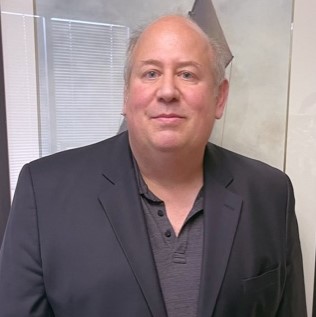
Dr. Raphael Morris, MD is a clinical and forensic psychiatrist in practice for 20 years. He is a Distinguished Fellow of the American Psychiatric Association, was the Director of Forensic Psychiatry at Bellevue Hospital Center in New York City, and spent years training psychiatrists in hospital settings. In addition to his clinical practice, he has consulted as an expert on high profile criminal cases around the country. In his practice he treats treatment refractory mood disorders, chemical dependency, and psychiatric manifestations of medical conditions. He spent years working in hospitals as a Consultation Liaison Psychiatrist and also evaluated and treated traumatized and brain injured patients in the correctional system. He has a special interest in psychiatric rehabilitation and nutritional supplementation for mood disorders. Read more about our providers here: https://www.delmarbrainandtms.com/our-providers/
Located in San Diego
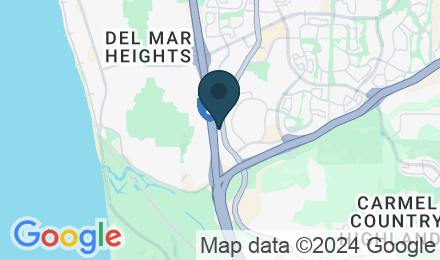
12264 El Camino Real #202 San Diego, CA 92130
We are In-Network with

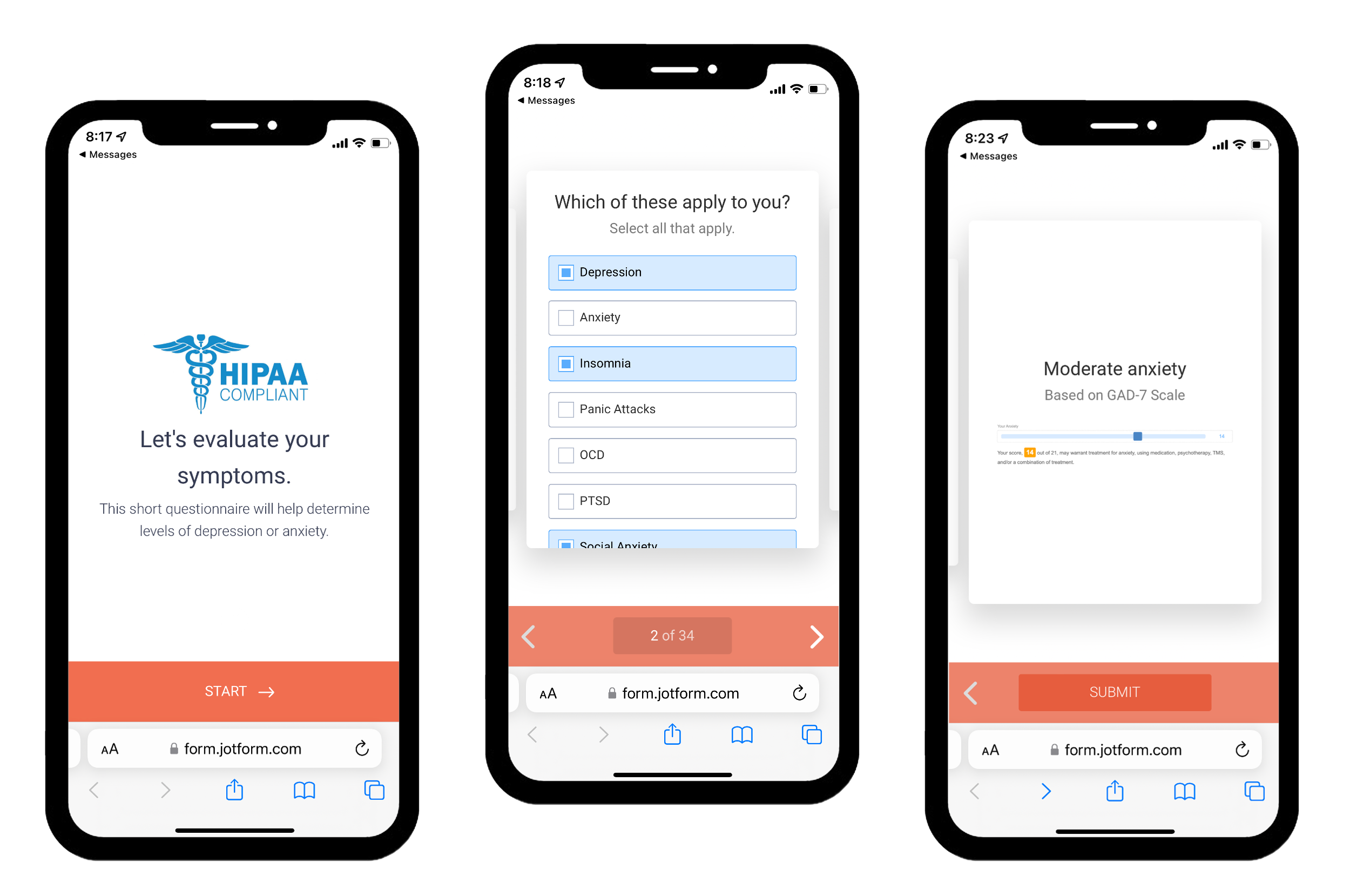
Not Sure If You Need Help?
Get instant results and feedback by taking this short quiz.
What is TMS?
TMS, or transcranial magnetic stimulation, is an alternative treatment for a variety of mental health conditions, but it is most commonly used to treat major depression and anxiety. This non-invasive therapy involves using a targeted magnetic field to stimulate under-active neurons in specific parts of the brain. TMS therapy typically takes about 6 weeks and is over 70% effective for providing long-term relief from depression symptoms.
How does TMS work?
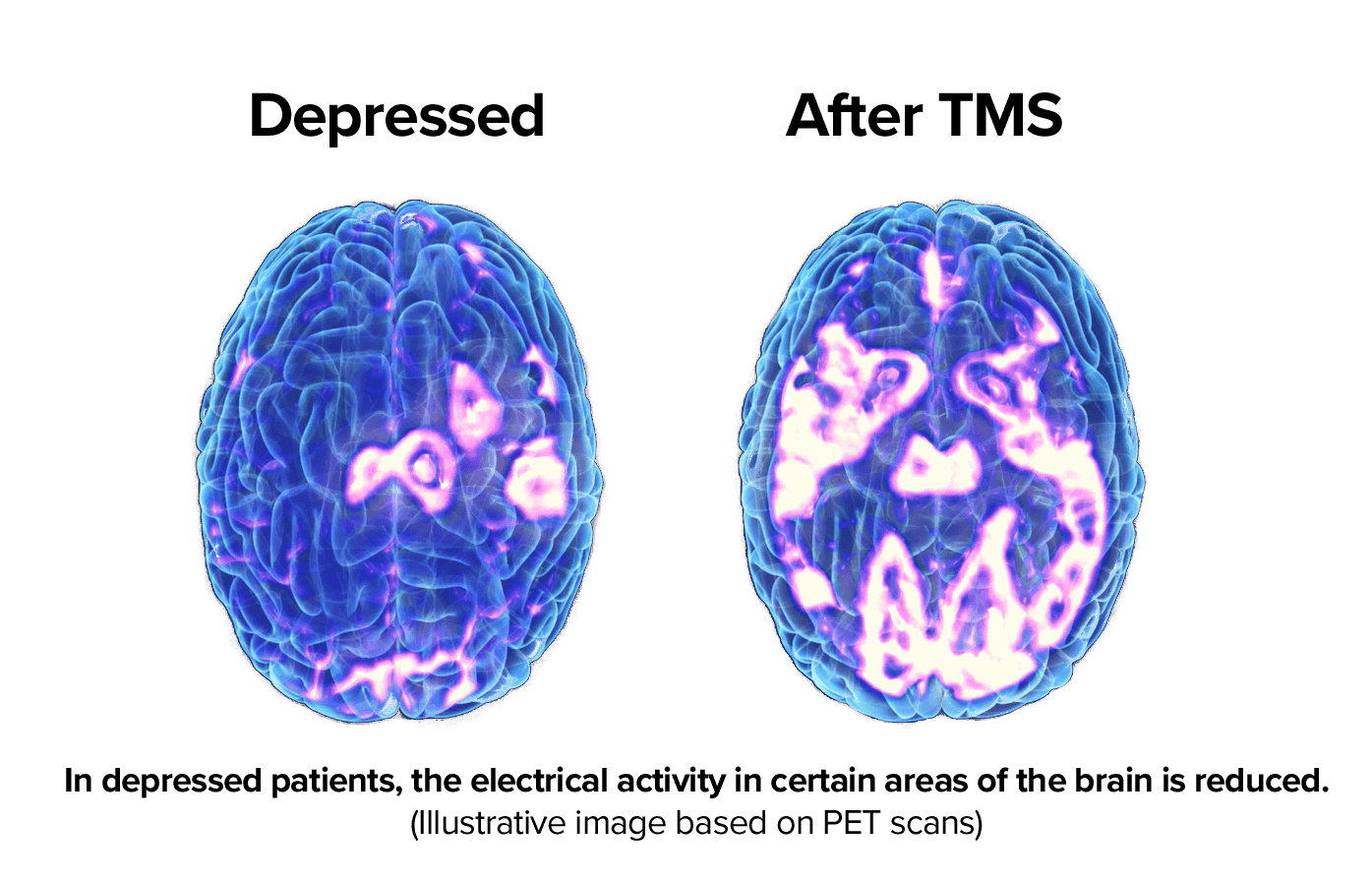
Depression is caused by a lack of sufficient activity in the left dorsolateral prefrontal cortex, essentially the front left part of your brain. When this area is working properly, the entire brain lights up, creating an improved mood, working memory, and selective attention. TMS works by using magnetic fields to stimulate nerve cells in the brain. This is done by placing a magnetic coil near the head, which produces magnetic pulses that stimulate the nerve cells in the targeted area.
Is TMS for me?
TMS may be a good option for individuals who have not responded to traditional treatments for depression, such as medication and psychotherapy. However, it is important to speak with a mental health professional to determine if TMS is right for you.
What is TMS like? Do I feel anything?
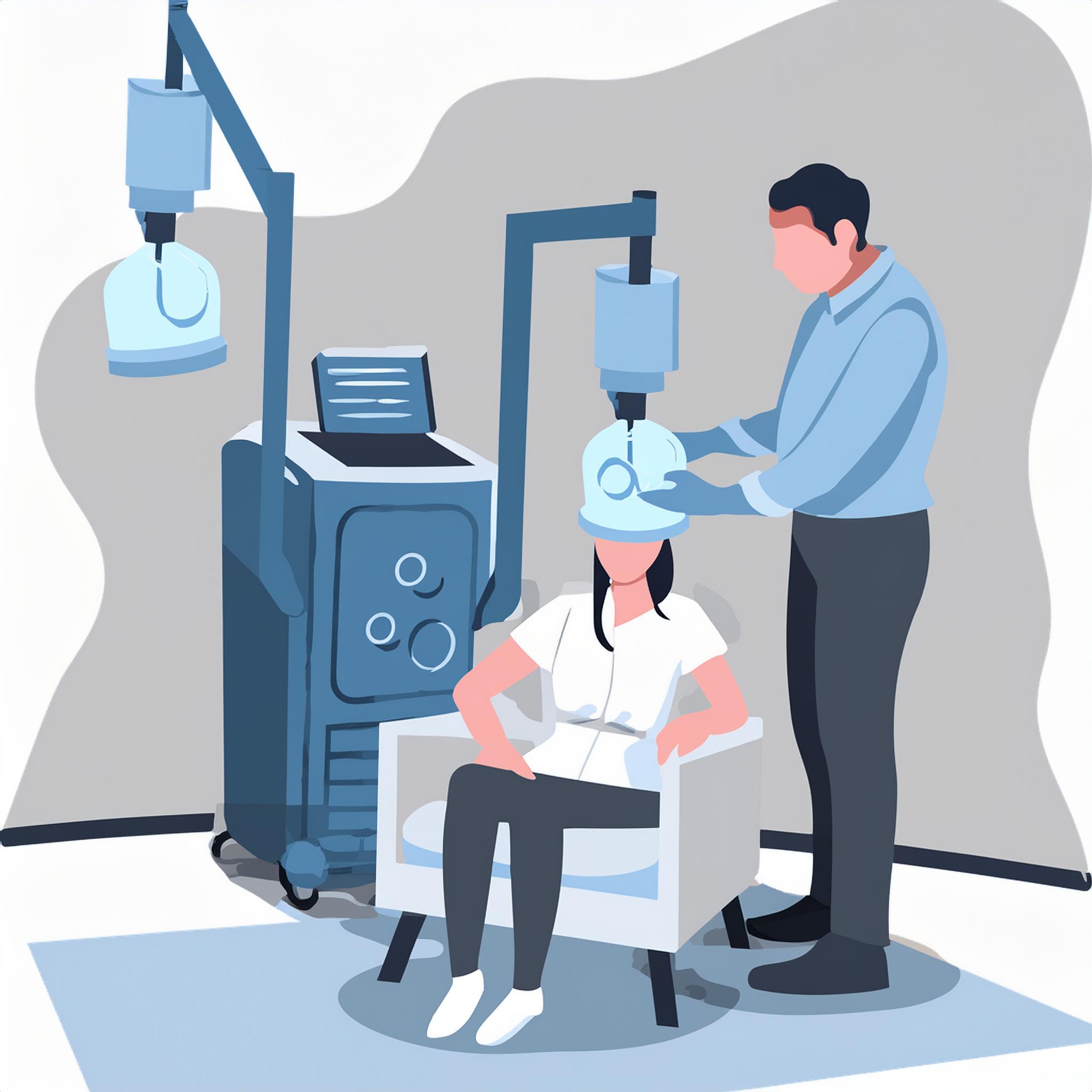
During TMS treatment, you can sit comfortably and perform passive activities like reading a book, watching TV, or listening to music. Most patients report that TMS treatment feels like a gentle tapping sensation on the skull. Some patients experience a tingling or scalp sensitivity at the stimulation site during treatment, which can typically be mitigated by placing the device at a slightly different angle.
Are there any side effects?
The most commonly reported side effects of TMS therapy include mild headache, scalp discomfort during stimulation, and lightheadedness, all of which are typically resolved shortly after the treatment session or within the first week. Many patients report no side effects at all.
Is TMS covered by insurance?
Yes, TMS therapy is covered by almost all major insurance companies, depending on your insurance plan. Insurance plans can also have requirements for coverage, such as a prior history of antidepressant medication use or therapy treatments.
Ⓒ 2026 — https://www.delmarbrainandtms.com/ — All rights reserved
Business Hours
Mon: 8:30am - 5pm
Tues: 8:30am - 5pm
Wed: 8:30am - 5pm
Thurs: 8:30am - 5pm
Fri: 8:30am - 5pm
Sat/Sun: Closed



Ⓒ 2026 — https://www.delmarbrainandtms.com/ — All rights reserved